













Pages
Buy Template

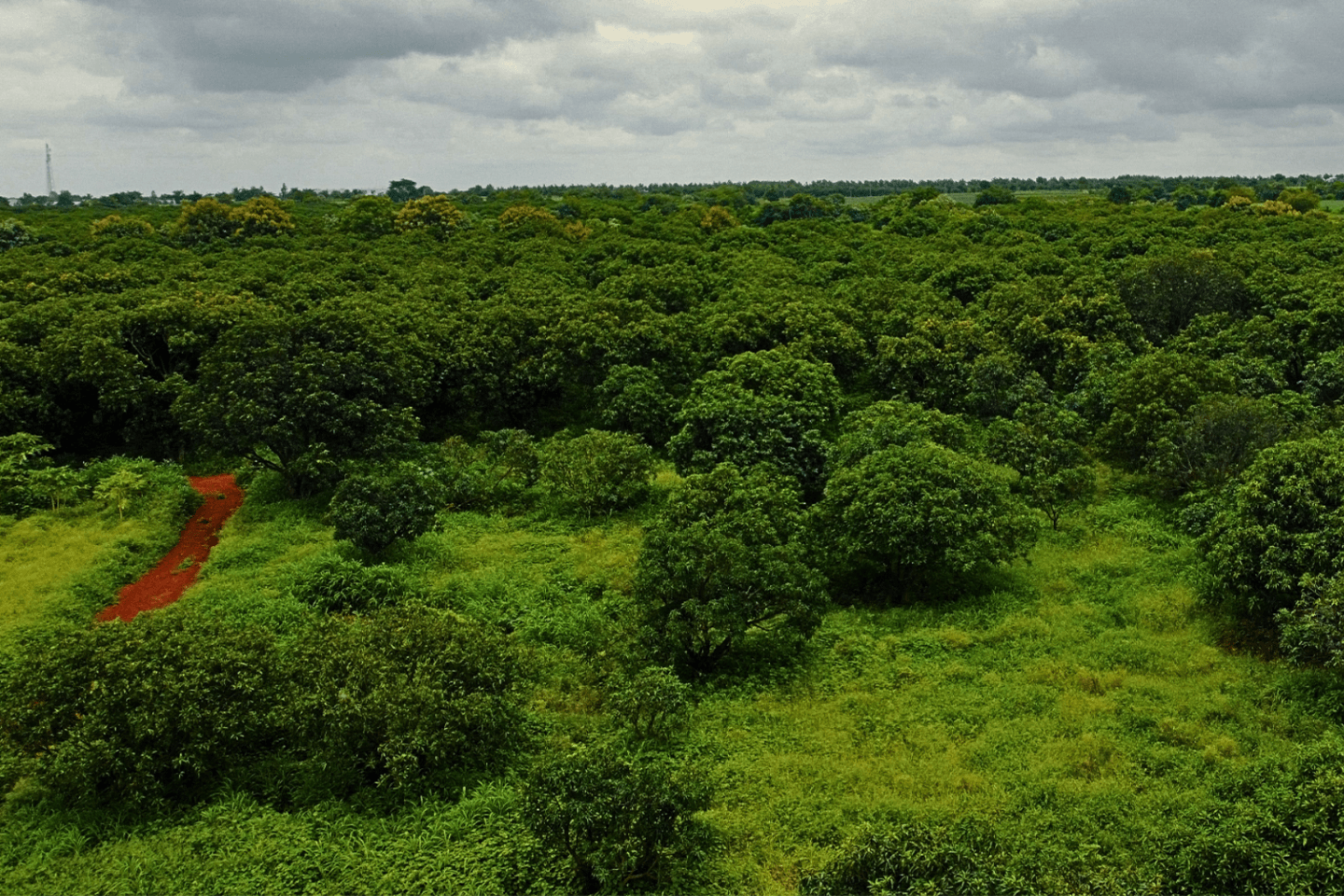
The human body is currently being asked to run continuously inside a box with concrete walls and digital screens. The average urban professional spends over 90 percent of their life indoors, leading to elevated cortisol, chronic inflammation, and mental exhaustion. The intricate biological network of our bodies, evolved over millions of years under a canopy of trees, is now confined to concrete boxes and glowing displays.
Yet, your body has not forgotten what it is engineered to do. It is simply waiting for you to walk back into the trees because it is a biological need. A classic example of this is how you instinctively choose a destination for a vacation that is close to nature and not an urban setting as the first choice.
This isn't merely a poetic concept or a holistic trend, it is rigorous, quantifiable clinical science. Known in Japan as shinrin-yoku (literally translating to "forest bathing"), the practice of slow, mindful immersion in nature has been a government-funded, officially prescribed clinical therapy for decades. Understanding the benefits of forest bathing has become essential for anyone looking to counter the physical toll of modern city living.
When you step into a healthy, dense forest ecosystem, your body undergoes immediate, measurable physiological changes. In the early 2000s, an immunologist named Dr. Qing Li from Tokyo's Nippon Medical School set out to decipher the exact mechanism of nature's impact on human health. His findings fundamentally disrupted modern preventative medicine.
1. A 50% Surge in Cellular Defense
Dr. Li's clinical data revealed that spending dedicated, slow-paced hours in a woodland environment increases the activity of Natural Killer (NK) cells by roughly 50 percent. NK cells are specialized white blood cells that act as your body's frontline security system, hunting down virus-infected cells and pre-cancerous mutations before they can spread.
2. The 30-Day Immune Shield
Perhaps the most startling revelation was the longevity of the effect. Unlike a temporary holiday buzz that vanishes the moment you read your first email, the immune upgrade triggered by forest bathing remains measurable seven days later and stays partially present for a full 30 days. Essentially, regular, mindful exposure to a vibrant canopy upgrades your immune framework for a month.
3. The Chemistry of Forest Air: Phytoncides
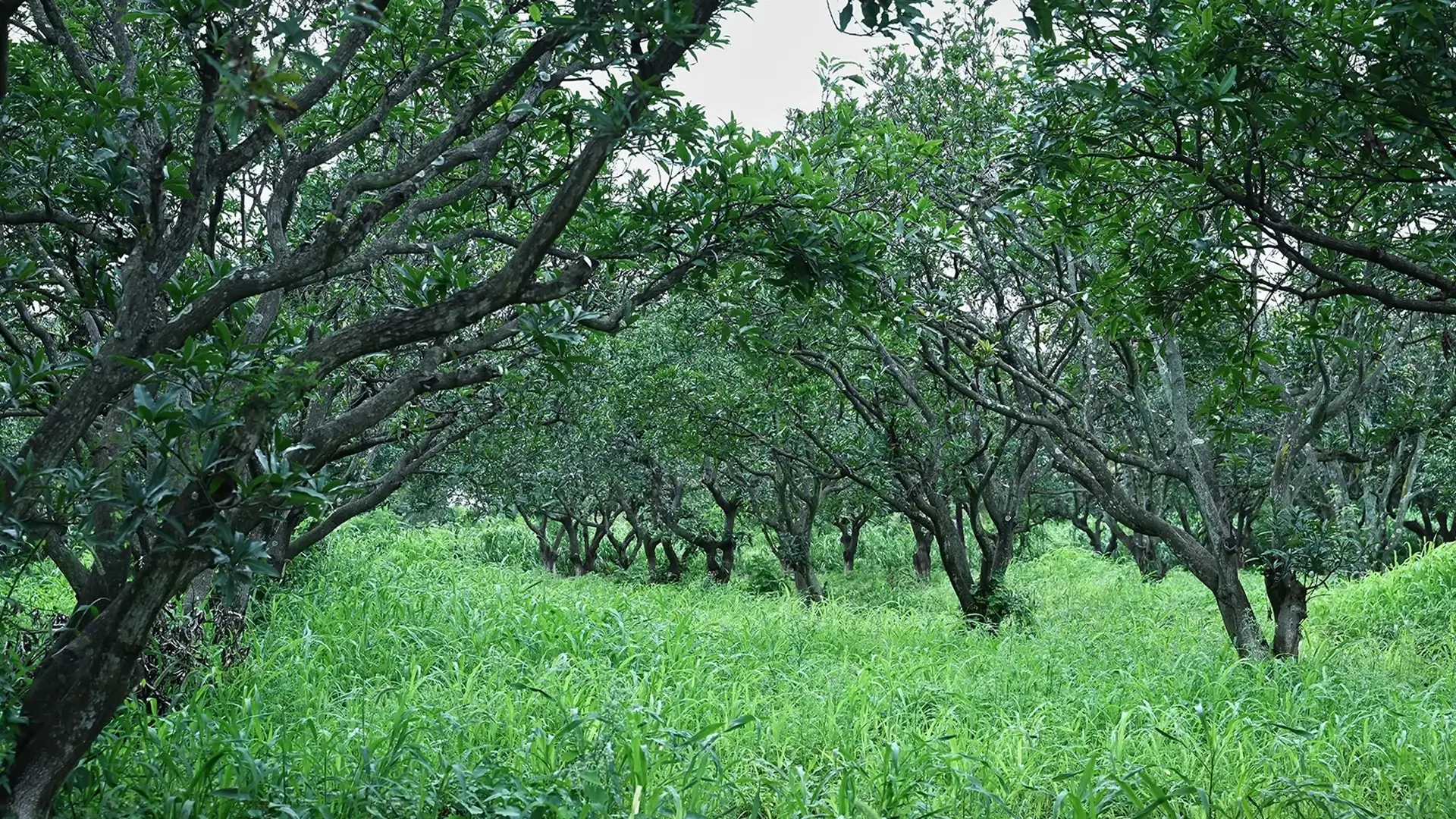
Roughly half of the health benefits from a forest walk stem from the air's chemistry. Trees release airborne antimicrobial molecules called phytoncides to defend themselves against insects, bacteria, and fungal blights. When you inhale forest air, you absorb these compounds through your lungs and skin, directly stimulating the production of anti-cancer proteins like perforin, granzymes, and granulysin.
While your immune system is being upgraded by airborne chemistry, your nervous system undergoes a total structural reset. Modern city life places humans in a persistent state of low-grade "fight-or-flight," driven by traffic, deadlines, and digital alerts. This keeps our sympathetic nervous system overactive and our cortisol levels dangerously elevated. This is exactly why forest bathing for stress relief has become one of the most studied applications of shinrin yoku worldwide.
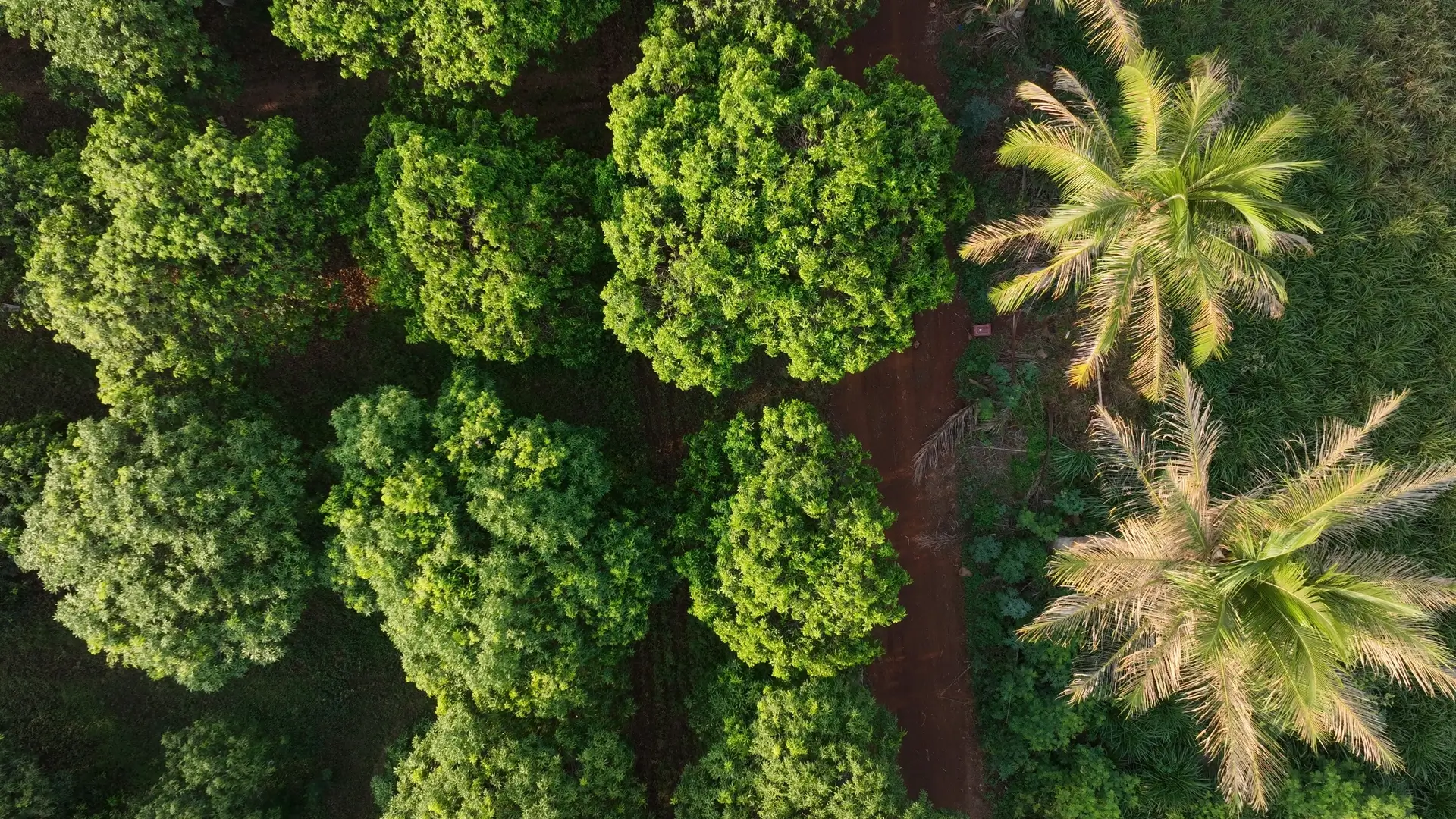
Heart rates drop, blood pressure lowers, and the parasympathetic nervous system, the part of your biology responsible for rest, digestion, and metabolic recovery, takes back the wheel. Research from the University of Michigan eventually identified the exact "dose" required for this shift: just 20 to 30 minutes spent in a natural setting yields a 21.3% drop in cortisol per hour.
Forest bathing is not a replacement for modern clinical medicine when acute intervention is necessary. But as a preventative wellness practice, it is increasingly recognised for its profound benefits to the mind and body.
You don’t need to embark on an intense Himalayan trek to experience the restorative power of nature. Sometimes, all you need is an authentic, unspoilt canopy and the time to slow down.
For those seeking a genuine nature retreat close to the city, start simply. Take a hike or trek through a forest near you. For those less adventurous, plan a return to your native village where you will connect with your roots, spend time outdoors, and experience the rhythms of farming in the company of animals.
Or, consider investing in a professionally managed farm plotting projects who will develop and create such a sustainable ecosystem for you and your family to have a joyful experience.
Perhaps true wellness isn't about escaping life to exotic vacations, but creating your own personal space to return to what our bodies already know: trees, soil, open skies, and the rhythms of nature.
Ashwin Rao
Founder, Akshara Ananda.
All pictures courtesy Akshara Ananda
Add an heirloom to your family - one that continues to offer its bounty for generations to come.